


Air source Heat Pump Installation in Lincolnshire
A low-carbon way to heat your home - with a free suitability survey and clear, upfront advice.
- Free Survey
- Local Lincolnshire Team
- Tidy, Respectful Installs
MCS certification is in progress - we'll explain what this means for grants and options.
What is an air source heat pump?
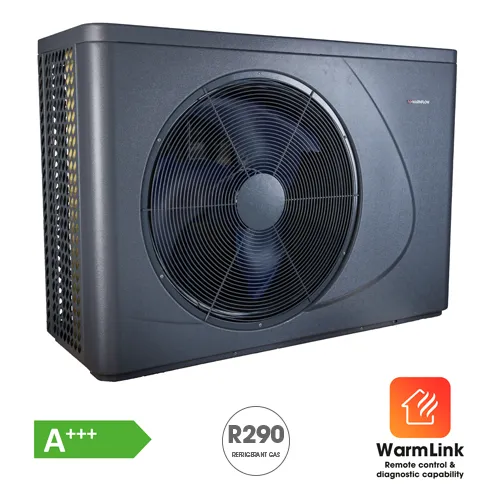
An air source heat pump (ASHP) is a modern, low‑carbon heating system that warms your home by taking heat from the outside air and transferring it indoors. If you’re a Lincolnshire homeowner looking for air source heat pump installation, it’s a great option for replacing an older boiler and improving efficiency — especially in homes with decent insulation. We install and advise on air source heat pumps in Lincolnshire, starting with a free suitability survey so you know what will work in your property and what (if anything) needs upgrading.
Pulls heat from outside air
Runs best at lower temperatures
Works brilliantly in well-insulated homes
Air source heat pump installation areas - lincolnshire & nearby
We install air source heat pumps across Lincolnshire, and we also cover nearby areas in North Lincolnshire and parts of Nottinghamshire. If you’re searching for a local team for air source heat pump installation, we’ll book a free suitability survey, check your home properly, and give you clear options in plain English.
lincolnshire
Areas we regularly cover include:
Lincoln
Sleaford
Grantham
Boston
Spalding
nearby areas
We often cover homes just outside of Lincolnshire too, including:
North Lincolnshire (e.g., Scunthorpe, Brigg & surrounding areas)
Parts of Nottinghamshire (e.g., Newark-upon-Trent, Southwell & Ollerton)
Heat Pump benefits
more stable, comfortable heat
lower carbon heating
potential savings
works with smart controls
long lifespan with proper install
quiet operation
heat pump installation process
free suitability survey
We’ll book a convenient time to visit your home anywhere in Lincolnshire and talk through what you want from your heating (comfort, running costs, hot water, future plans). We’ll check your current system, look at where an outdoor unit could go, and flag anything that could affect an air source heat pump installation (like insulation levels, radiator sizes, or space for a cylinder).
heat loss check + System design
Next, we assess how much heat your home actually needs room-by-room, so the system is sized properly (this is what stops heat pumps feeling “underpowered”). We’ll look at radiators/emitters, pipework, and hot water demand, then design a setup that matches your property — including recommended flow temperatures, control options, and any upgrades that would improve performance. The aim is a heat pump system that runs efficiently and keeps your home consistently warm.
quote with clear options
You’ll receive a straightforward quote that explains what’s included, what’s optional, and why we’re recommending it. Where it makes sense, we’ll give you clear choices (for example: “keep radiators as-is” vs “upgrade key radiators for better efficiency”), so you can decide based on budget and goals. We’ll also be transparent about timelines and what preparation is needed before installation day.
Installation + Commissioning
On installation days, we protect your home, work tidily, and keep disruption to a minimum. We’ll fit the outdoor unit, connect the indoor components (such as the cylinder if required), and integrate controls so the system runs smoothly. Once installed, we commission the system — setting it up properly, checking performance, and making sure it’s operating safely and efficiently before we sign it off.
handover + support
Before we leave, we’ll show you how to use your heat pump and controls in plain English — including the best settings for comfort and efficiency. We’ll answer questions, talk you through what to expect day-to-day (heat pumps run differently to boilers), and share any simple maintenance tips. If you need us after the install, you’ll know exactly how to get in touch and what support is available.



Costs, Grants & Finance
Heat pump pricing depends on your home, not just the unit itself. The right system needs to be designed around your property’s heat loss, hot water demand, and existing radiators/pipework. After a free suitability survey, we’ll give you a clear written quote with options — so you can see what’s essential, what’s optional, and what will improve performance long-term.
What affects the heat pump cost?
Property heat loss & size - bigger or less insulated homes usually need a different design and may require upgrades
Hot water setup - some homes need a cylinder or changes to improve hot water performance
Radiators / emitters - heat pumps often work best with correctly sized radiators (we'll advise room-by-room)
Pipework condition - older pipework may need adjustments to support efficient flow rates
Electrical work - sometimes a small upgrade is needed to safely power the system
Outdoor unit location - placement, brackets/base and pipe runs can affect labour and materials
Controls & zoning - smarter controls can improve comfort and efficiency, especially in larger homes
Typical Upgrade scenarios
Straightforward swap - if your home is well insulated and your radiators are already a good size, installation can be simpler with fewer extras
Radiator improvements - some homes benefit from upgrading a few key radiators so the heat pump can run efficiently at lower temperatures
Older / higher heat loss homes - if your property loses heat quickly, we may recommend insulation improvements or a staged approach so you get comfort and efficiency
grants, MCS certification & what it means for you
Some UK heat pump grant schemes require the installer to be MCS certified. We’re currently in the process of becoming MCS certified. Right now, we can still carry out a free suitability survey, advise on system design, and provide a clear quote — and we’ll always be upfront about what’s available at the time you choose to go ahead.
What you can do now:
Book a free suitability survey here
Get a system plan & quote
Ask to be notified as soon as MCS certification is complete by filling in the form
Heat pump vs boiler
If you’re deciding between an air source heat pump and a new boiler, the right choice depends on your home’s insulation, radiator sizing, and what you want from your heating long-term. Heat pumps run differently to boilers — they deliver steady warmth at lower temperatures — so they tend to suit homes that can hold onto heat (or homes you’re happy to improve). We’ll explain the pros and cons clearly during your free survey, so you can choose what’s best for your property.
STILL NOT SURE?
Frequently Asked Questions
Here are the questions Lincolnshire homeowners ask us most about air source heat pump installation.
Are heat pumps worth it in older Lincolnshire homes?
They can be, but it depends on insulation, draughts, and radiator sizing. Many older properties can work well with the right design and a few sensible upgrades — we’ll confirm what’s needed during a free suitability survey.
Will I need new radiators?
Not always. Some homes can keep most existing radiators, while others benefit from upgrading a few key rooms so the heat pump can run efficiently at lower temperatures. We’ll check this room-by-room and explain your options clearly.
Do air source heat pumps work in winter in Lincolnshire?
Yes — air source heat pumps are designed to heat homes year-round, including cold weather. The key is having the system sized and set up properly for your home’s heat loss, so it can maintain comfortable temperatures efficiently.
How much does an air source heat pump cost?
The cost depends on your home’s heat loss, hot water requirements, and whether any upgrades are needed (like radiators or electrical work). After a free survey, we’ll provide a clear written quote with options, so you can choose what suits your budget.
Do I need a hot water cylinder with a heat pump?
Often, yes — many heat pump systems use a cylinder for hot water storage. Whether you need one depends on your current setup and hot water demand, and we’ll advise during the survey.
Can I get a grant for an air source heat pump?
Some UK grant schemes require the installer to be MCS certified. Our MCS certification is currently in progress — we’ll always be upfront about what’s available and can advise you on the best route during your survey.
Where does the outdoor unit go?
The outdoor unit is usually fitted on an external wall or a suitable base in the garden, with careful planning for airflow, access, and neat pipe runs. During the survey we’ll recommend the best location for performance and appearance.
Are heat pumps noisy?
They’re generally quiet, but you will hear the fan when it’s running. We’ll help choose a sensible location and talk you through what to expect, especially if the unit is near a bedroom or neighbour boundary.
How long does installation take?
It depends on the design and whether upgrades are needed, but many installs take a few days rather than a single-day boiler swap. We’ll confirm a realistic timeline after the survey so you can plan around it.
Do heat pumps replace my boiler completely?
In most cases, yes — the heat pump becomes your main heating system. Some homes use a hybrid setup in specific situations; we’ll only recommend that if it genuinely makes sense for your property.
What maintenance does a heat pump need?
Like any heating system, regular servicing helps keep it running efficiently and reliably. We’ll explain what’s involved and what a sensible maintenance plan looks like for your setup.
How do I know if my home is suitable?
The best way is a free suitability survey. We’ll check heat loss, radiators, hot water needs, outdoor unit placement, and any upgrades that would improve performance — then give you a clear recommendation in plain English.
Request a free survey
Boilers, heat pumps, air conditioning or construction — tell us what you need and we’ll point you in the right direction.

Installations, services and repairs by certified & registered engineers.
Clear pricing, tidy workmanship, and a team that treats your home like our own.
Quick Link
Customer Care
get in touch


© Copyright 2026. Precision Group Services Limited. All Rights Reserved.